Understanding the psychology behind gambling behaviors in casinos
The Allure of Gambling: Why People Are Drawn to Casinos
The enticing atmosphere of a casino is designed to captivate visitors, triggering a sensory experience that often leads to impulsive behaviors. From flashing lights to the sound of coins clinking, the environment is meticulously crafted to create excitement and anticipation. This sensory overload can be irresistible, particularly for those seeking an escape from daily life or a thrill from high-stakes activities. Many players look for the best online poker real money options to mimic this excitement at home.
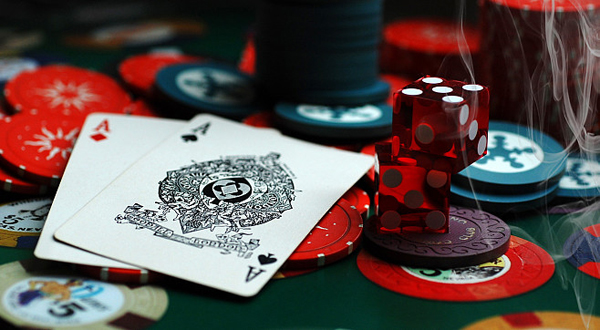
Addiction can also play a significant role in why individuals are drawn to gambling. Many players experience a rush of dopamine, a neurotransmitter associated with pleasure and reward, when they win. This biochemical response can lead to a repeated desire to gamble, as the brain learns to associate the casino environment with feelings of euphoria.
The Role of Cognitive Biases in Gambling Decisions
Cognitive biases significantly influence how players perceive their chances of winning. One common bias is the illusion of control, where gamblers believe they can influence the outcome of games like roulette or slot machines, despite these being purely chance-based. This misconception can lead to overconfidence, prompting players to place larger bets than they ordinarily would.
Another relevant bias is the gambler’s fallacy, which is the belief that past outcomes affect future probabilities. For example, a player might think that a slot machine is “due” for a payout after a series of losses. Such cognitive distortions can encourage reckless betting, as individuals feel compelled to chase their losses or rely on patterns that do not exist.
The Emotional Landscape of Gambling
Gambling often serves as an emotional outlet for many individuals. For some, it provides an escape from stress or anxiety, while others seek the thrill of risk-taking. This emotional component can lead to compulsive behavior, where gambling becomes a primary coping mechanism for underlying issues such as depression or loneliness.
Additionally, the highs and lows associated with gambling can create an addictive cycle of emotions. The excitement of a big win can be followed by feelings of regret or despair after a loss, reinforcing a volatile emotional state. This rollercoaster of feelings can make it difficult for individuals to step away from the tables, as they chase both the initial high and a return to stability.
The Impact of Social Influence on Gambling Behavior
Social interactions within a casino can profoundly affect gambling behavior. Many people are drawn to casinos not just for the games but for the social experience. Being in the presence of others can create a sense of camaraderie and competition, leading to more significant betting and risk-taking behaviors. This social aspect can reinforce gambling habits, making it a collective activity rather than an individual choice.
Furthermore, peer pressure and social norms can amplify gambling tendencies. When friends or peers are engaged in gambling, individuals may feel compelled to participate, often downplaying their own reservations. This social facilitation can contribute to a culture of gambling that normalizes risky behaviors and fosters a community around high-stakes play.

Understanding Casino Marketing Strategies
The marketing strategies employed by casinos are intricately designed to appeal to the psychological triggers of potential gamblers. From loyalty programs to complimentary services, these tactics aim to create a sense of belonging and value among players. By offering perks and incentives, casinos can encourage repeat visits and prolonged gambling sessions.
Moreover, the use of branding and themes in casinos also plays a crucial role in attracting customers. These immersive environments often draw in individuals by creating an enticing narrative or experience that goes beyond mere gaming. By understanding the psychological aspects of their clientele, casinos can tailor their offerings to maximize engagement and profitability.