The allure of rewards: What drives casino loyalty programs?
Casino loyalty programs are designed to entice players by rewarding them for their continued patronage. These programs tap into a fundamental psychological principle known as operant conditioning, which posits that behaviors are reinforced through rewards. Essentially, every time a player gambles and earns rewards, they are being positively reinforced to continue playing. Interestingly, many players also explore anonymous betting sites as an alternative, seeking similar rewards that enhance their gaming experience. The more engaged players become with these programs, the more likely they are to return, creating a cycle of loyalty that casinos rely on.
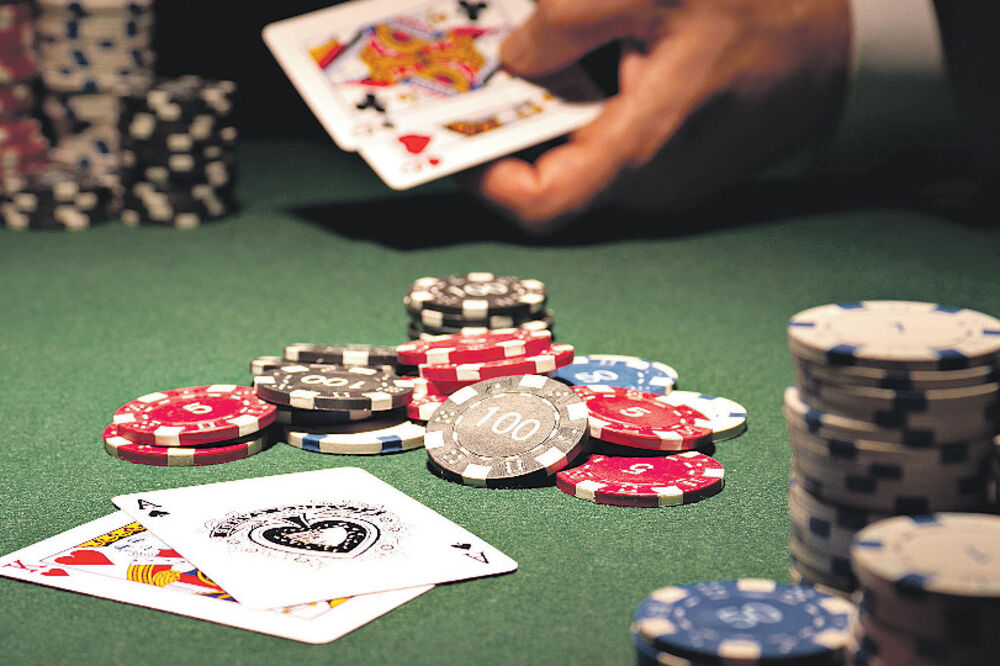
This notion of rewards goes beyond the tangible benefits that players receive, such as free play or complimentary meals. It also plays on deeper emotional triggers. For many, the excitement of earning points or tier status can lead to a sense of accomplishment and belonging to a community, fulfilling psychological needs for both gratification and social connection.
The role of exclusivity in loyalty programs
One effective strategy employed by casinos is creating a sense of exclusivity around their loyalty programs. By offering tiered rewards, casinos foster an environment where players aspire to reach higher levels of membership. This tiered system not only encourages regular visits but also increases the emotional investment players have in the program. The idea of being part of an elite group ignites a competitive spirit and can lead to increased gambling behavior as players strive to unlock those exclusive perks.
This exclusivity plays a significant role in the psychology of loyalty. When players feel they are part of a select group, they are more likely to remain loyal to that casino over others. The fear of missing out (FOMO) on potential rewards can often drive players to gamble more than they initially intended, enhancing the casino’s profit margins.
Understanding the emotional connection to gambling
The emotional connection players develop with casinos and their loyalty programs is a powerful influence on their gambling habits. Many gamblers experience heightened emotions while playing, ranging from excitement and joy to frustration and disappointment. These emotions can create a strong attachment to the casino environment, making players more likely to return even after a loss.
This emotional tie is often reinforced by the rewards provided through loyalty programs. For instance, receiving a comp or a bonus can create a positive emotional response, leading players to associate their gambling experiences with rewards and pleasure. This positive reinforcement can channel players’ behaviors and encourage future visits, cementing loyalty to the casino.
Marketing tactics and psychological manipulation
Casinos utilize sophisticated marketing tactics to enhance their loyalty programs, often leveraging psychological principles to maximize engagement. From targeted promotions to personalized communication, these strategies aim to make players feel valued and understood. When players perceive that a casino recognizes their individual preferences and habits, they are more likely to develop a stronger loyalty toward the brand.
Furthermore, casinos often employ techniques such as loss aversion, where the potential for losing out on rewards can motivate players to gamble more. This stands in contrast to typical marketing strategies, focusing on gains; in gambling, the fear of loss can be a more powerful motivator. As players chase after what they might lose, they become further entrenched in the casino ecosystem, making loyalty programs essential tools for customer retention.
Understanding the website’s role in casino loyalty programs
This website aims to provide users with insightful information regarding the psychology behind casino loyalty programs and their broader implications within the gambling industry. By exploring various aspects of player behavior and emotional engagement, the site serves as a valuable resource for understanding the interplay between loyalty programs and gambling practices.
Moreover, the educational content offered can help potential gamblers make informed decisions about their gaming experiences. By shedding light on the psychological dynamics at play, users can better navigate loyalty programs and understand the underlying motivations that drive their interactions with casinos.