So I was half-listening to a podcast about keys and keys again when something clicked. Wow! The more I dug, the clearer it became: custody isn’t subtle. My instinct said protect first, explain later. Initially I thought hardware wallets were a simple yes-or-no choice, but then I realized there are layers and trade-offs that matter a lot.
Here’s the thing. Cold storage is not glamorous. Really? Nope. It’s quiet, boring, and effective. You remove your private keys from internet-exposed environments and you dramatically reduce risk, though actually there are nuances depending on how you implement it.
Cold storage basics—short version. Keep keys offline. Store them in devices or on paper that never touches the web. Use hardware wallets for practical everyday security. On one hand it’s straightforward, but on the other hand human error is the real attack vector.
Let me be frank: humans are predictable. Hmm… wallets get lost, backups get ignored, and people reuse seeds across services. Something felt off about the cavalier attitude I kept encountering. So yeah, this part bugs me and I say it plain.
Hardware wallets reduce human risk, though they’re not magic. They isolate signing operations so your private key never leaves the device. Longer explanation: the device verifies transactions and shows them to you, which prevents malware on your computer from silently draining funds. I’m biased, but for most people a ledger-style device is the best balance of security and convenience.
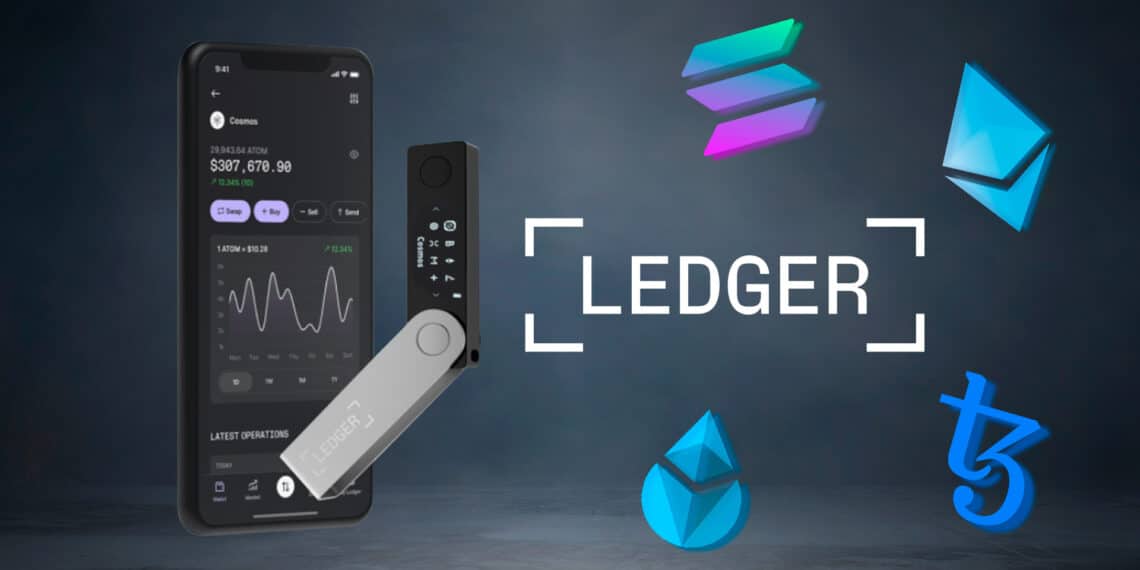
Why Ledger devices are a practical choice
Okay, so check this out—Ledger devices implement secure elements that store keys in a tamper-resistant chip. Whoa! This means the private key is extracted only under extreme attack conditions, not during routine use. The device firmware and the company ecosystem have trade-offs—Ledger is well audited, though not infallible—and their UX lowers the bar for secure custody while still forcing you to make decisions about backups and passphrases.
I use the official software often and recommend pairing your device with tools that minimize exposure. Seriously? Yes. For example, pairing with ledger live gives a user-friendly interface for managing accounts and apps, though you must always verify transaction details on the device screen before approving. On the whole this combo reduces mistakes, and that matters more than fanciful technical claims.
Cold staking is the next bit people trip over. In plain words: staking from cold storage means you delegate or sign staking actions while keeping keys offline. Hmm… sounds complex, but doable. The key is understanding which chains support it and which require hot keys or node operation—each protocol has its own model and risk profile.
Some networks enable non-custodial cold staking with delegation. Some require you to run validators or keep a signer online. On one hand, cold staking preserves the security benefits of offline keys; on the other hand, availability and slashing penalties introduce operational risk. Initially I thought cold staking was universally superior, but then I read the fine print and realized there are important protocol-level caveats.
Let me walk you through practical steps that are easy to miss. Step one: firmware trust. Update only from the vendor site and verify signatures when possible. Step two: seed hygiene. Write your recovery phrase down offline, in multiple physical locations, and consider a passphrase for extra security. Step three: device lifecycle. If you buy used, assume compromise—factory reset and reinstall firmware, or better yet buy new from an authorized seller.
My advice is blunt but simple. Treat your recovery phrase like nuclear codes. Really. Never take a photo, never store it online, and avoid cloud backups unless you encrypt them strongly and understand the risks. Also, reduce single points of failure—split backups across trusted people or use multisig for larger holdings.
Multisig is a big topic and worth the extra effort for high-value wallets. It’s not trivial to set up, and that is why many skip it. However, a properly designed multisig wallet distributes trust and dramatically lowers single-device risk. I’m not 100% certain about every multisig provider’s UX—they vary—so test small amounts and rehearse recovery plans.
About supply-chain and hardware tampering. Yeah, it’s rare but plausible. Ledger devices and competitors mitigate this with tamper-evident packaging and secure elements. That said, buying from reseller markets, sketchy auctions, or accepting a gifted device introduces avoidable risk. If somethin’ feels off about the package, don’t use the device.
There’s also the human side of staking and governance. Staking rewards feel good, and people instinctively chase yield. Hmm… that urge can lead to riskier setups like delegating to unknown operators or using custodial staking services. On one hand, custodial services reduce complexity; on the other, you trade self-sovereignty for convenience. Choose based on your threat model, not FOMO.
Threat model time—short taxonomy. Low-risk profile: small holdings, beginner, wants simplicity. Medium: regular trader, holds mid-sized balances, wants staking. High: serious HODLer, treasury for an org, or someone in adversarial environments. For low-risk folks a single ledger device with a secure seed is usually adequate. For higher stakes, mix multisig, geographically dispersed backups, and cold staking strategies where available.
Operational guidance—keep it simple to avoid mistakes. Design one clear recovery plan and practice it. Run dry runs. (Oh, and by the way…) document the steps, names, and locations without writing the seed itself. Also, keep at least one spare device updated and sealed for disaster recovery. Do not mix your main and spare devices with the same seed if you want true redundancy; instead, plan for secure migration or multisig.
Staking specifics vary by chain. For example, networks like Tezos and Cosmos family chains have mature delegation models that can work well with hardware wallets; others, like Ethereum post-merge, require validator keys and are more operationally intensive. If you’re considering running a node or validator you need uptime guarantees and monitoring—slashing risks are real and punitive. Initially I underestimated how much time a validator could demand, though now I recommend clear cost-benefit math before committing.
Practical safety checklist—short and actionable. Keep firmware updated and legit. Store seeds offline in multiple secure spots. Use passphrases for plausible deniability if it fits your model. Use multisig for significant balances. Delegate to reputable validators if you stake. Test your recovery with small amounts. I’m biased toward conservative approaches, but that’s because losing funds is permanent.
FAQ
Can I stake directly from a Ledger device?
Yes and no. Many chains support delegation using Ledger devices or through integrations that keep signing on-device. However, some protocols require more complex setups like running a validator which introduces uptime and slashing considerations. Always verify on-device prompts and research the specific chain’s cold staking options before transferring large sums.
What happens if I lose my Ledger device?
Your funds are recoverable using your recovery phrase on a new compatible device or through supported recovery methods, provided no one else has the phrase. If you used a passphrase, you’ll also need that exact passphrase—lose it and those funds are effectively gone. So backup carefully and test recovery.
Is multisig better than a hardware wallet?
They’re complementary. A hardware wallet secures a single signing key; multisig distributes signing power across multiple keys and devices, reducing single-point failure. For larger holdings or organizational treasuries, multisig adds meaningful resilience, though it increases complexity.