Understanding the psychological effects of gambling on decision-making processes
The Nature of Gambling and Its Appeal
Gambling captivates millions around the world, combining elements of risk, chance, and excitement. This allure is partly due to the psychological thrill associated with the possibility of winning. As many enthusiasts discover, engaging with best online casinos adds another layer of excitement, and the anticipation and adrenaline rush can lead individuals to make decisions they might not consider in their everyday lives. Factors such as environment, personal emotions, and even peer pressure contribute to this compelling urge to gamble.

The distinction between online and offline gambling environments further complicates the psychological effects. Online gambling may offer an element of anonymity, allowing individuals to indulge without social scrutiny. In contrast, the physical presence of casinos can heighten social interactions but also pressure from peers, influencing one’s decision-making process in different ways.
The Role of Cognitive Biases
Cognitive biases play a critical role in gambling behavior, significantly affecting decision-making processes. For example, the gambler’s fallacy leads individuals to believe that past events can influence future outcomes, prompting them to make irrational bets based on previous results. This skewed perception can result in riskier decisions, as individuals might overestimate their chances of winning.
Another common bias is the illusion of control, where gamblers perceive they have more influence over the outcome than they actually do. This belief can propel individuals to engage in riskier betting behavior, as they feel empowered by the idea that skill can impact luck. Understanding these cognitive biases is essential for recognizing the underlying psychological mechanisms that drive gambling decisions.
Emotional Influences on Decision Making
Emotions significantly influence decision-making processes in gambling scenarios. The highs of winning can lead to overconfidence, causing players to take uncalculated risks. Conversely, the lows of losing can trigger despair and desperation, pushing individuals to chase their losses in hopes of recovery. Such emotional swings create a volatile decision-making landscape.
Moreover, individuals often use gambling as a coping mechanism to escape from stress or other emotional turmoil. This reliance can distort their judgment, leading them to make impulsive decisions that they might later regret. Understanding the emotional backdrop of gambling is crucial for addressing the psychological effects it can have on individuals.
Social Factors in Gambling Decisions
The social context in which gambling occurs plays a pivotal role in shaping decision-making processes. Peer influence can either encourage or deter gambling behavior. Individuals often adapt their gambling habits based on the behavior and attitudes of those around them, leading to a collective influence on decision-making.
Additionally, the cultural perception of gambling can impact individual choices. In societies where gambling is normalized, individuals may feel less hesitation to engage, often leading to more frequent and riskier decisions. Recognizing these social dynamics is vital for understanding how group behavior can affect personal gambling choices.
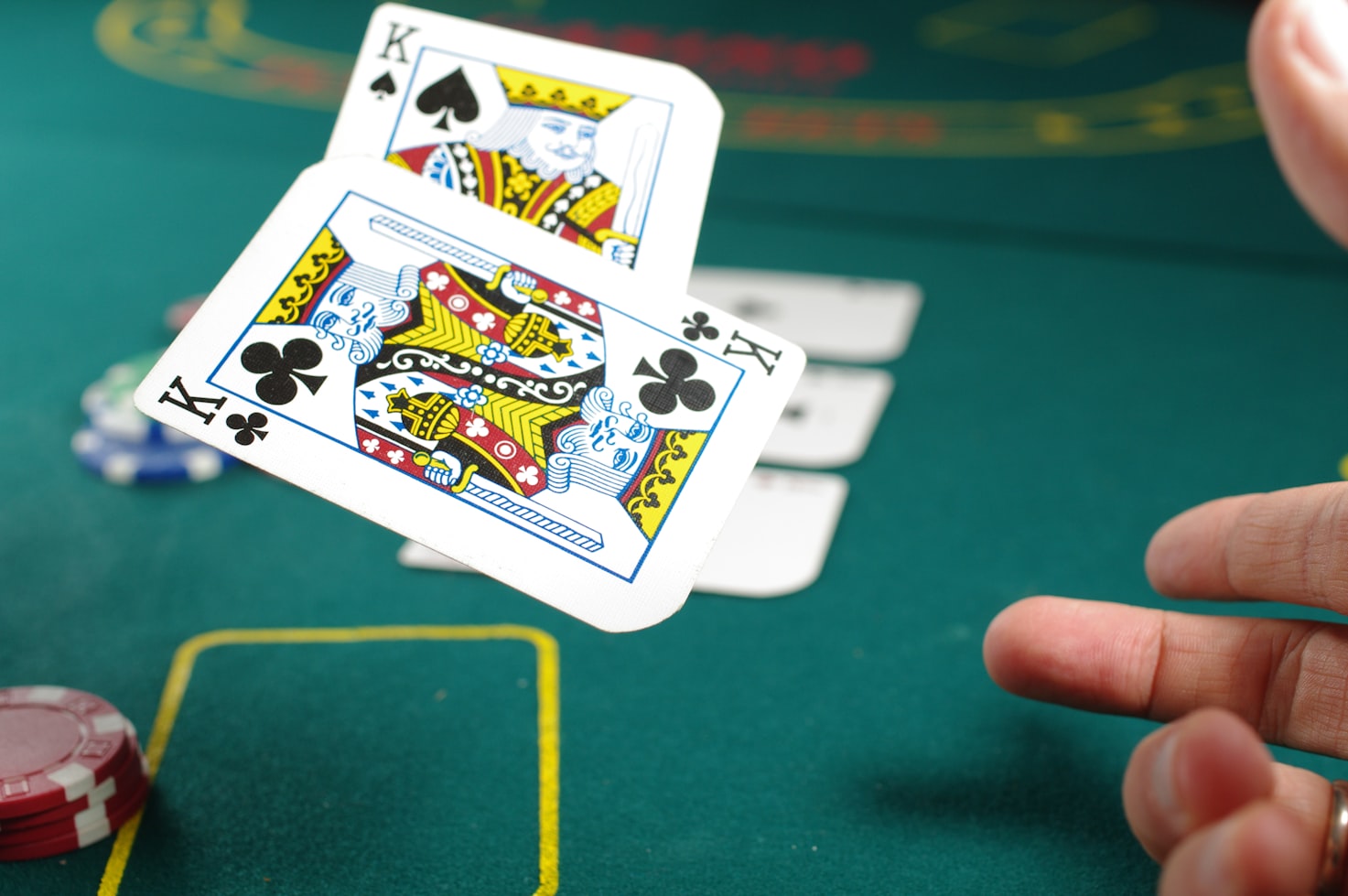
Exploring Further on Psychological Effects of Gambling
Our platform delves into the intricate world of gambling and its psychological implications. We aim to provide insightful resources that shed light on the decision-making processes influenced by various psychological factors. By exploring these themes, we hope to foster a better understanding of the complexities of gambling behavior.
Whether you’re looking to learn more about the cognitive biases that affect your decisions or seeking ways to manage your gambling habits, our articles and resources are designed to assist. Join us in exploring this fascinating topic and uncover the deeper psychological effects of gambling on decision-making processes.